Double Indemnity mixes tragedy, crime, love, and the beautiful valley of Los Angeles into a film noir like no other. I wouldn't label it as depressing, but it sure is dark. A real classic from its time. The film has the essence of watching the sky get dark on a rainy day without turning the lights on.
Aside from the moving being in literal black and white, so where the events. There were no real happy incidents during the story. The love between Walter and Phyllis was impure. The plot revolved around cold murder for money. No one really came out victorious in the end. If there was a finish line to the film it was never crossed. Everyone sort of died along the way, somehow. Every good thing in the film went sour just like Phyllis's tea.
Most of the main events during the film took place at night adding to the "noir" characteristic of the movie. All the events during the day were simply not as meaningful or important. Walter, being the protagonist, faced he most challenges. His character was a clever one. He was a potential alcoholic, chain smoking, ladies man. He was a hard worker and would likely have lead a life without committing such a crime as murder. Until he met his greatest enemy. This really reminded me of the Beowulf movie. The beautiful blonde woman with the anklet that cut into her leg so perfectly, seduced and used Neff to obtain her fortune. Such a dark goal to try to achieve. Walter was blinded by her beauty and like an idiot in love, sealed his fate by acting upon stupidity.
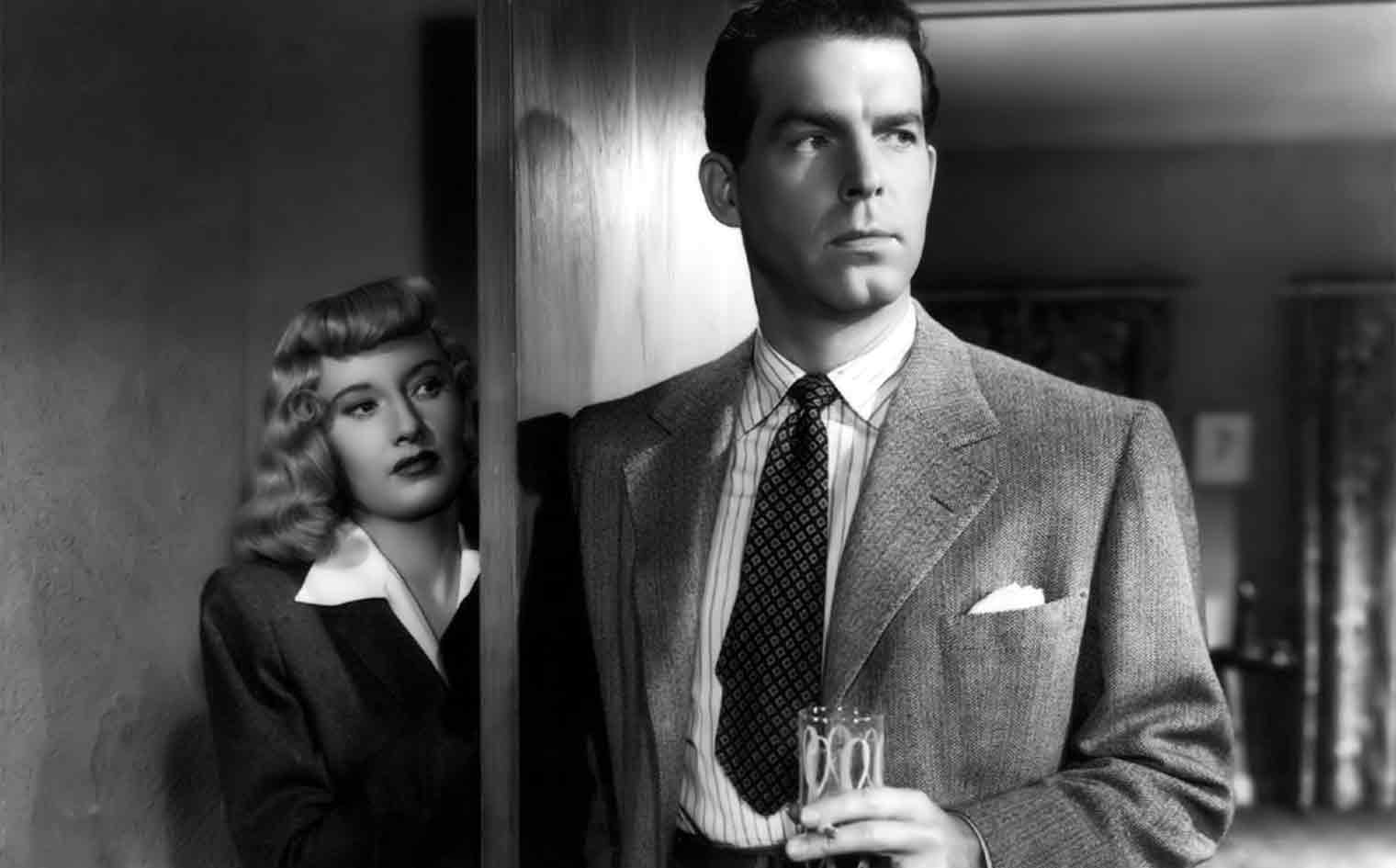
The only innocence the movie contained was poor Lola, left with no parents. Whose only friend was the very man that took her fathers life. She, and Keyes were kept from the truth. Two people that trusted Walter, and would never expect him to do such a thing, were probably ashamed and heartbroken the most by Walters crime. It seems that his desire for Phyllis caused everyone pain. That was his greatest weakness, love.
"I love you too" said Walter jokingly to Keyes. A phrase he onced used in his time of innocence. The film ended with Phyllis's death, Keyes' disappointment, Walters final attempt at making his situation a little better for himself as he sat in his own blood waiting to be taken away, remembering his innocence.

Fellow Guy Fieri enthusiast,
ReplyDeleteI agree with you on your opinion that there are no winners in the film. No character is able to achieve their goals, only being able to partially accomplish what they want to do. Phyllis is able to rid herself of the husband she disliked, but is unable to get the massive payout that she wanted. Kneff is able to kill Phyllis' husband, but is unable to perpetrate the perfect crime while doing so. In addition to this, the movie conveys a powerful lesson; insurance companies are omnipotent beings that will uncover everything in order to avoid paying money. While this lesson is important, there is another that stands out in the film; crime doesn't pay. This is best shown in the end, where the two lead characters are dead or dying, without getting what they wanted. This important lesson is a cornerstone of the film, and is expressed throughout.
-Zack DeMartz
Loved reading this- great use of author's style.
ReplyDeleteI do wish you had more closely answered the question!