Witch-slapped: Macbeth's fall from grace
1. Why do people who are not "evil" take the first step into evil? What, for instance, is involved in taking that first step "down the primrose path to the everlasting bonfire" (Macbeth, 2.3)? What are the consequences of the individual choosing evil (particularly the internal consequences)? Use examples from the text to support your opinion.
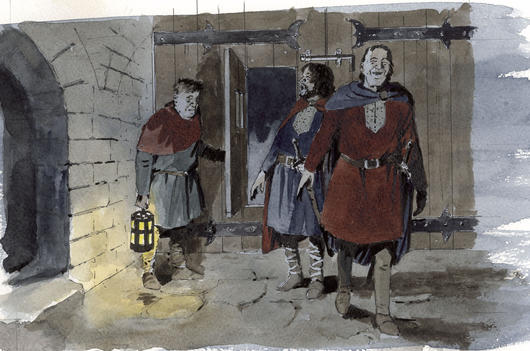
Most people don't wake up one day in the attempt to change their life completely. Someone who has led a decent, non-evil life, usually won't convert to being evil without an outside force to drive them. Take peer pressure for example. It is a scenario many of us have been in where one or more people are pressuring you into doing something you don't want to. This doesn't mean they are pressuring you into something bad, or evil, but something you don't want to do. Whether its jumping off of a cliff, petting a horse, or doing crystal meth for your first time, it is peer pressure if you would normally not want to partake in the action. The reader can see Macbeth giving into peer pressure from his wife, lady Macbeth. She is pressuring him, verbally, to kill his King. Macbeth is worried about the consequences and is unsure about this decision initially. But in the end gives into his wife's nagging. Essentially, he is giving into peer pressure.
The consequence of doing evil things, if you get caught, is usually time in prison. However, guilt can eat you alive. Especially in a case where a good person goes bad. When someone isn't used to being evil they might feel especially shameful or guilty. Whereas a serial murderer, who is used to taking lives, would feel fine. Macbeth goes a bit crazy after he kills Duncan. After many mixed reactions to the crime he committed, he started to lose it. The guilt of the murder, and the desire for power led Macbeth to want to kill even more people, within reason of course. These mixed emotions caused him to take the life of his own friend, Banquo. In our society these situations might not get so out of hand.

Are you arguing that the consequence of Macbeth's action(s) is insanity?
ReplyDelete